Power Generation Parts: Hot, Fast, and Always On
A turbine does not get weekends off. Why power-gen parts - spinning fast, running hot, for years between outages - are some of the most demanding work there is.

Power generation runs on parts that spin fast, run hot, and are expected to do it continuously for years between outages. A generator or turbine doesn't get weekends off — it runs around the clock, and an unplanned failure can take a chunk of the grid with it. That reliability-at-all-costs mindset, plus genuinely punishing operating conditions, makes power-gen parts some of the most demanding precision work there is.
Heat and rotation are the design drivers
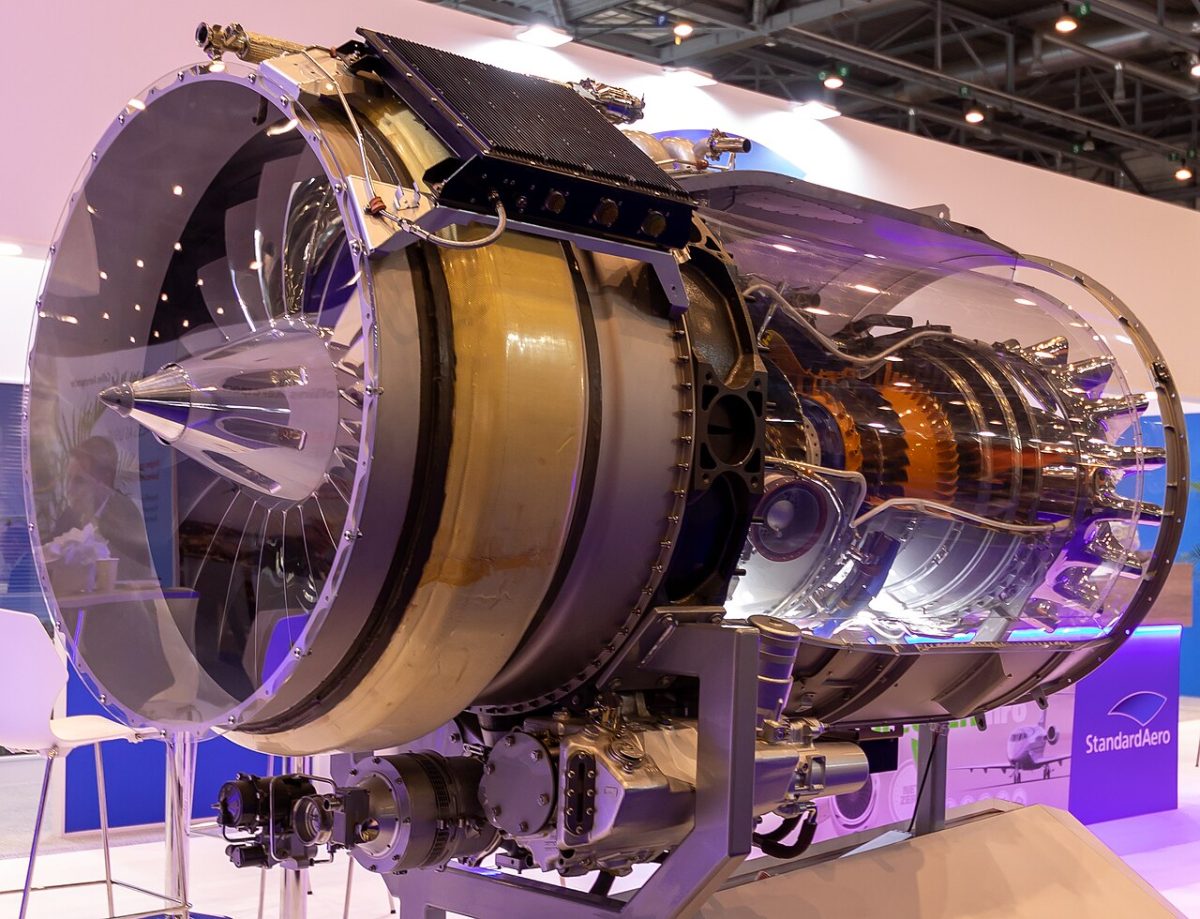
The hot section of a turbine and the rotating parts of a generator live in conditions that destroy ordinary materials: high temperature, high stress, and millions of rotational cycles. That pushes the material list toward heat-resistant stainless, alloy steels, and nickel superalloys that keep their strength when hot — tough, expensive metals that are unforgiving to machine. Heat treatment to the right properties is critical and verified, not assumed (heat treating steel, hardness testing).
Balance and precision on rotating parts
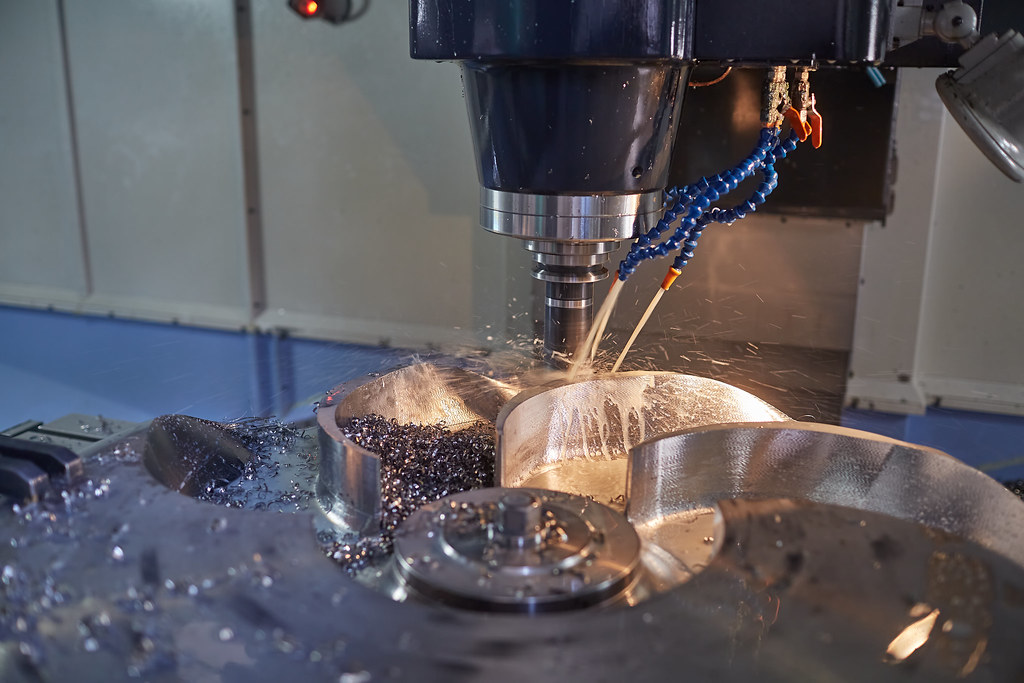
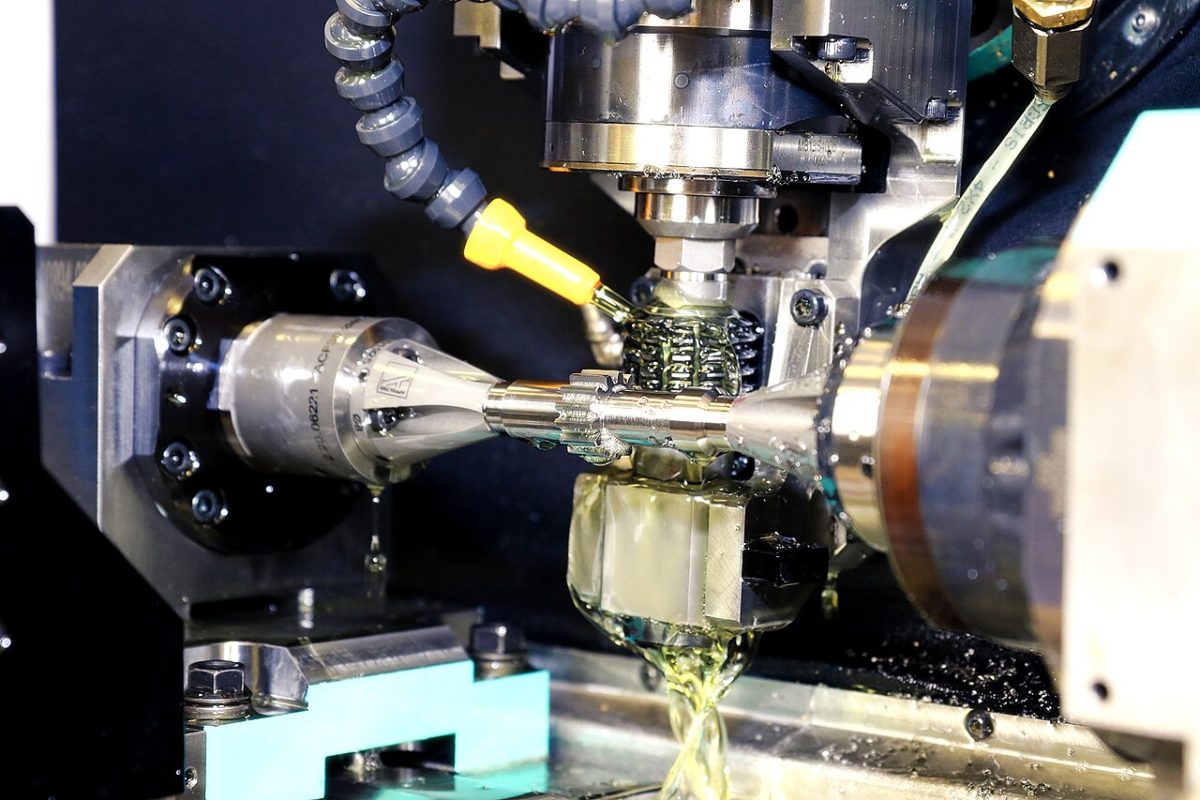
Anything that spins fast has to be precise and concentric, or vibration tears it apart over time. Shafts, rotors, couplings, and impellers need tight roundness and concentricity, and the complex aerofoil shapes of blades and impellers are exactly the work multi-axis machining exists for (5-axis machining). Fatigue is the long-term enemy — surface finish on stressed parts directly sets how long they last.
| Area | Typical parts |
|---|---|
| Rotating assembly | Shafts, rotors, couplings, impellers |
| Hot section | Blades, vanes, heat-resistant housings |
| Sealing / casing | Flanges, seals, bearing housings |
| Auxiliary | Valve bodies, fittings, structural brackets |
Strength where forging wins
Highly stressed rotating and structural parts are frequently forged for grain-flow strength and fatigue resistance, then finish-machined on the critical features (forging processes, casting vs forging). Where the part is large and complex, casting the bulk and machining the precision features keeps it feasible (casting vs machining).
The documentation matches the stakes
Like aerospace and oil & gas, power generation is a high-consequence, well-regulated sector. Material certs, full traceability, and complete inspection records travel with critical parts (certs and traceability), with first-article inspection and CMM verification on the parts that matter.
We machine power-generation parts built to run hot and spin true for years — shafts, rotors, impellers and heat-resistant housings in alloy steels, stainless and superalloys, forged-and-machined for strength, with full certs and inspection records. For high-reliability rotating or hot-section parts, send the drawings and spec or talk through the requirements with an engineer.
Related capabilities
Have a part to make?
Upload your CAD for a detailed quote and free DFM feedback within 24 hours.