Agricultural Machinery Parts: Tough, Cheap, Available
Farm equipment gets treated worse than anything with an engine. Why agricultural parts are about being tough, cheap to replace, and available mid-harvest.

Farm equipment gets treated worse than almost anything else with an engine in it. It runs in dirt, mud, and grit, sits outside through every season, takes shock loads from rocks and stumps, and is expected to start and work hard during a harvest window where a day of downtime can cost a whole crop. Agricultural parts aren't about finesse — they're about being tough, cheap to replace, and available when the machine breaks at the worst possible moment.
Abrasion and shock, not precision
The enemies here are wear and impact. Soil is abrasive, and ground-engaging parts — tines, blades, bushings, sprockets — wear down fast. The answer is the right steel, hardened where it counts so it survives the grit (heat treating steel), with hardness verified rather than assumed (hardness testing). Shock loads mean parts also have to be tough, not just hard — brittle parts shatter on the first hidden rock.
The everyday parts
| Area | Typical parts |
|---|---|
| Ground-engaging | Tines, blades, shanks, wear plates |
| Drivetrain | Shafts, sprockets, gears, couplings |
| Hydraulics | Cylinder parts, fittings, valve bodies |
| Structure | Brackets, hubs, pivots, bushings |
Corrosion over long, outdoor lives
Tractors and implements live outdoors for years, exposed to moisture, fertiliser, and chemicals. Finishes here are about survival, not looks — plated or coated steel and the occasional stainless part keep things working through seasons of weather. Where dissimilar metals meet, the same galvanic corrosion rules apply as anywhere wet.
Volume and cost discipline
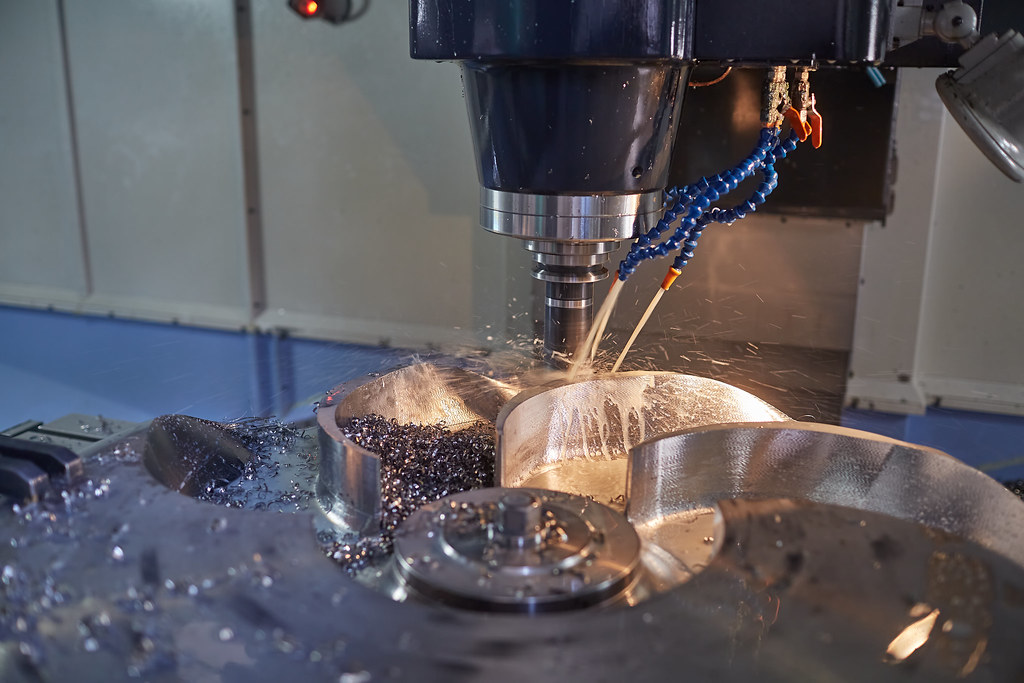
Agricultural machinery is price-sensitive and built in real volume, so process choice matters: casting or forging the bulk shape and machining only the wear and mating surfaces keeps cost down versus machining everything from billet. Drivetrain parts that take real load are often forged for strength (forging processes), and the broader make-it-cheap-at-volume logic is in casting vs machining. Gears and sprockets are their own discipline (gear types).
Spares availability is part of the spec
A wear part that's perfect but takes six weeks to reorder is a bad part — when a machine goes down mid-harvest, lead time is everything. A supplier who can hold drawings and turn repeat wear parts around quickly is worth more than one who's marginally cheaper but slow (where lead time goes).
We make agricultural machinery parts built for dirt and shock — hardened wear parts, forged-and-machined drivetrain components, hydraulic and structural parts — at volume-friendly cost, with the heat treatment and finishes that survive seasons outdoors. Send your drawings and annual volume and we'll quote durable parts that don't blow the budget, and turn repeat wear parts around fast.
Related capabilities
Have a part to make?
Upload your CAD for a detailed quote and free DFM feedback within 24 hours.