Oil and Gas Components: Pressure, Corrosion, and Proof
High pressure, corrosive media, offshore salt - where failure is dangerous. The corrosion-resistant alloys, sealing precision and documentation oil and gas parts demand.

Oil, gas, and process-energy equipment operates where failure is genuinely dangerous: high pressure, corrosive media, downhole heat, offshore salt. A leaking valve body or a corroded fitting in this world isn't a maintenance ticket — it's a safety incident. That reality is why parts for this sector are over-built, heavily documented, and made from materials most shops rarely touch.
Corrosion resistance is non-negotiable
Sour gas, brine, and aggressive process fluids destroy ordinary steel. So the sector runs on corrosion-resistant alloys: various stainless grades, duplex stainless, and nickel alloys for the worst environments. These materials are tough on tooling and unforgiving to machine, but they're what keeps a part intact for years in a hostile medium. Grade selection genuinely matters — see stainless grades compared — and stainless parts are passivated to maximise that corrosion resistance (passivation).
Pressure means sealing, sealing means precision
A huge share of oil & gas parts are about containing pressure: valve bodies, flanges, fittings, housings, and the sealing surfaces between them. Those sealing faces and threads have to be machined right or they leak under pressure — and a high-pressure leak is exactly what you can't have. Correct O-ring groove design and well-cut threads are the difference between a seal and an incident.
Heavy parts, real strength
Many components — valve bodies, manifolds, structural fittings — are large and load-bearing, often forged or cast and then machined on the critical features. Forging gives the grain-flow strength that high-pressure parts need (forging processes), and the cast-then-machine approach keeps cost sane on complex bodies (casting vs machining).
| Part | Why it's demanding |
|---|---|
| Valve bodies | Pressure containment, sealing faces, corrosion |
| Flanges & fittings | Leak-tight joints under load |
| Manifolds | Internal passages, multiple sealed ports |
| Downhole / wellhead parts | Heat, pressure, aggressive media all at once |
The records matter as much as the metal
Like aerospace and medical, this is a documentation-heavy sector. Material certs and full traceability prove the part is the alloy it's supposed to be (certs and traceability), and inspection records prove it was made to spec. For safety-critical pressure parts, the paperwork is part of the deliverable, not an afterthought — expect first-article inspection and dimensional verification.
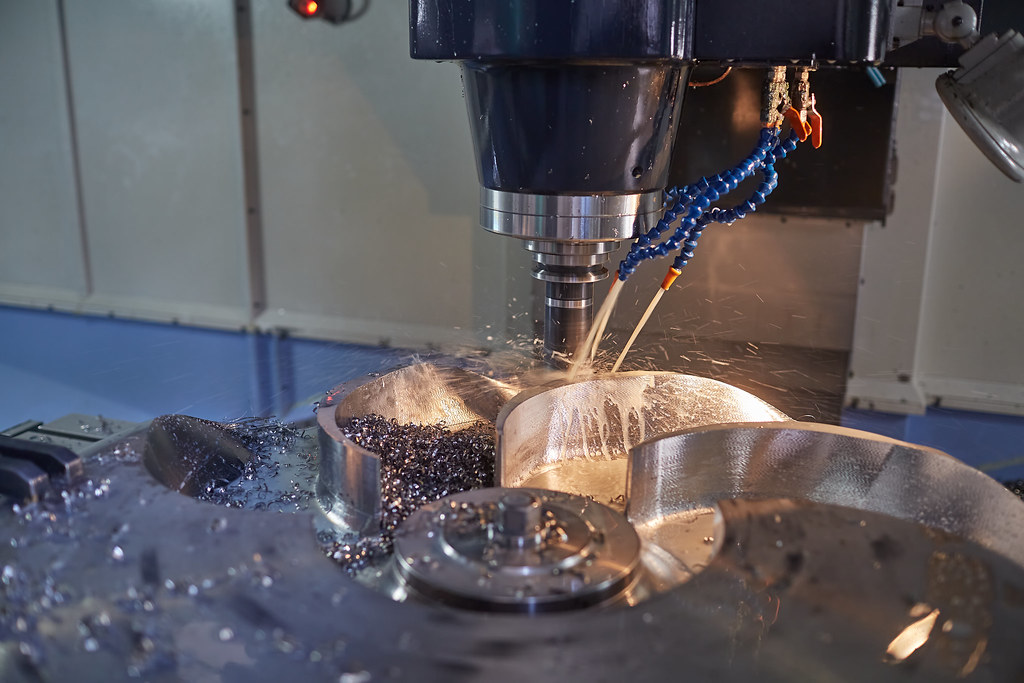
We machine corrosion-resistant stainless, duplex and nickel alloys into valve bodies, flanges, fittings and manifolds — sealing surfaces and threads cut to hold pressure, forged-and-machined strength where it's needed, and full certs and traceability on every part. For safety-critical energy components that have to seal, survive, and be provable, send the drawings and material spec or discuss the requirements first.
Related capabilities
Have a part to make?
Upload your CAD for a detailed quote and free DFM feedback within 24 hours.