Semiconductor Equipment Parts: Vacuum, Clean, Exact
The machines that make chips need chambers and flanges that hold a perfect vacuum and shed not one particle. Cleanliness, flatness and inert materials drive it all.

The machines that make chips are some of the most demanding customers in precision manufacturing — and ironically, most of their parts never touch a wafer. They're the chambers, flanges, gas-distribution plates, and fixtures that have to hold a perfect vacuum, stay chemically inert, and not shed a single particle while doing it. Semiconductor equipment parts fail in ways that are invisible until a whole wafer lot is ruined.
Particles are the real enemy
In a fab, a speck of contamination you can't see can scrap a wafer worth far more than the part. So semiconductor machining obsesses over cleanliness: burr-free edges, ultra-smooth surfaces that don't trap particles, and finishing processes specifically chosen to leave a clean, stable surface. This is why deburring and surface finish get disproportionate attention (deburring methods, surface roughness Ra/Rz) and why aluminum vacuum parts are often given specialised anodized finishes.
Vacuum and sealing demand real flatness
A vacuum chamber is only as good as its sealing faces. Flange faces and O-ring grooves have to be flat, smooth, and dimensionally exact or the chamber won't hold vacuum — and a leak here is a process-killer, not a drip. That puts a premium on flatness, surface finish, and correct O-ring groove design. Tolerances on these mating features are genuinely tight, and they get verified on a CMM.
Materials that won't react
Processes inside the tool involve aggressive plasmas and chemistries, so parts have to be chemically stable. The workhorses:
| Material | Why |
|---|---|
| Aluminum (often anodized) | Light, machinable, anodize for a stable inert surface |
| 316 / 316L stainless | Corrosion resistance, vacuum-friendly — stainless grades |
| Engineering plastics (PEEK, PTFE) | Insulating, chemically inert — engineering plastics |
Stainless parts are passivated and often electropolished to maximise corrosion resistance and surface cleanliness (passivation and electropolishing).
Complex parts, low volume, no room for error
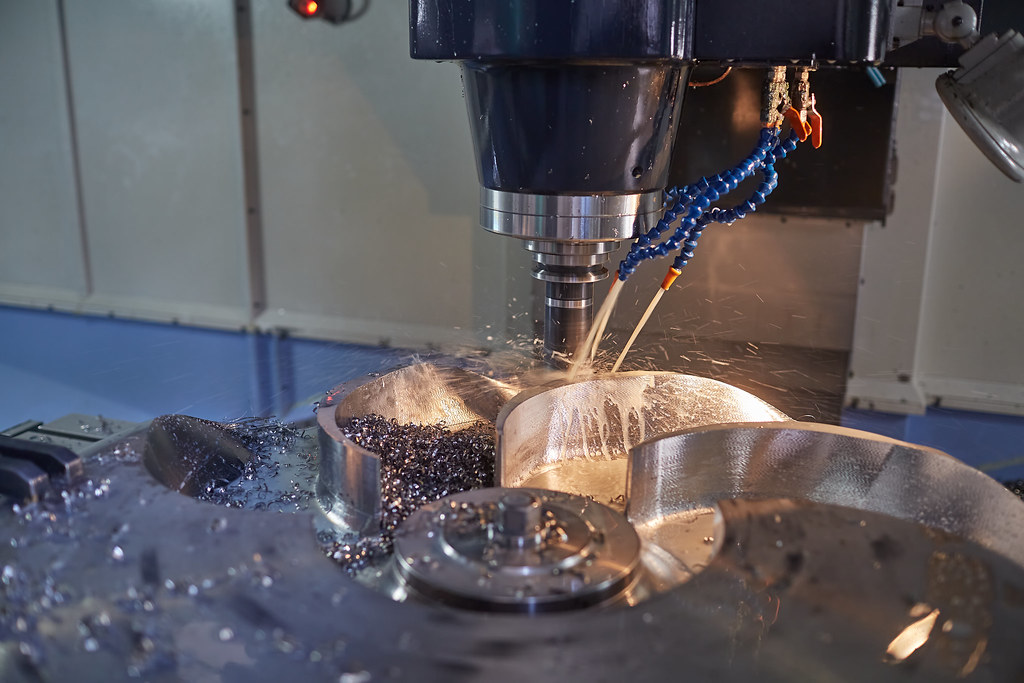
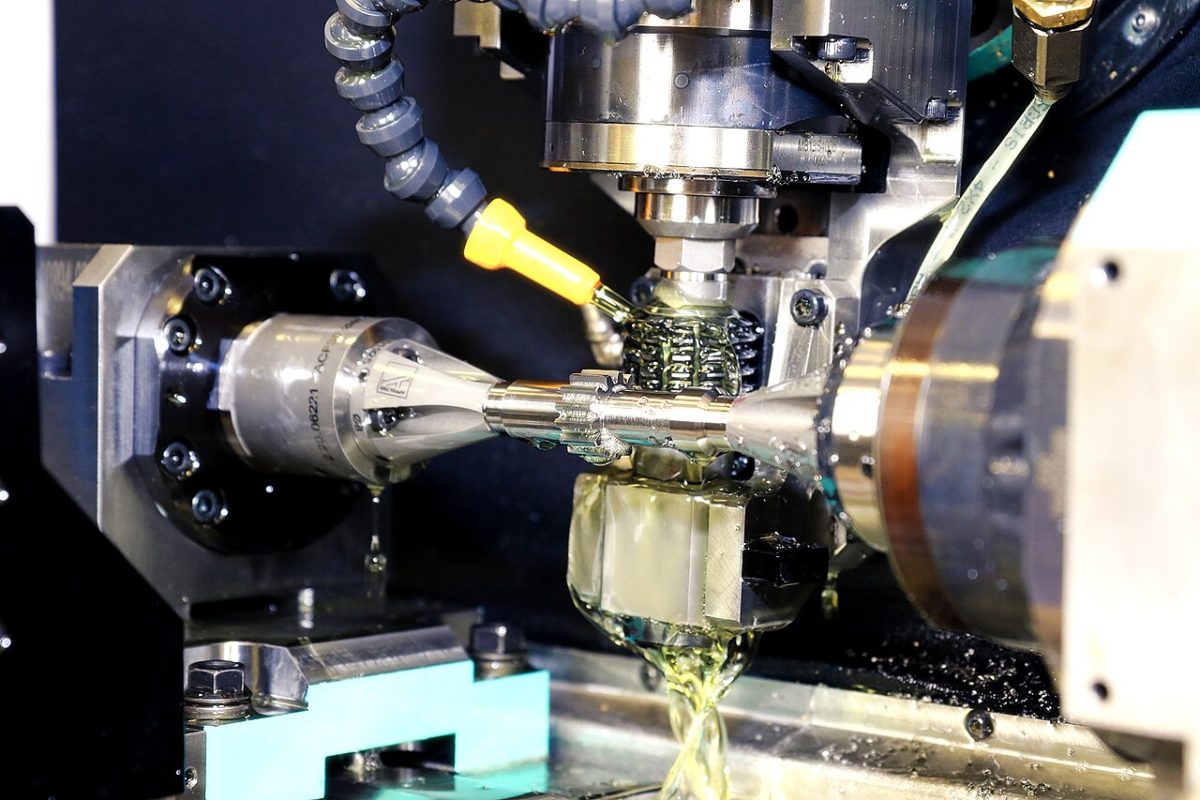
Gas-distribution plates riddled with precise holes, chamber bodies, electrode and fixture parts — these are intricate, low-volume, and unforgiving. They suit multi-axis machining (5-axis) and sometimes EDM for the fine, hard-to-reach features. Because volumes are low and revisions common, there's rarely a case for tooling — it's precision CNC, done right the first time.
Documentation closes the loop
Fabs run tight supplier qualification. Expect material certs and traceability (why traceability matters), inspection records, and consistency lot to lot — a part that's perfect once but drifts next batch is worse than useless in a process this sensitive.
We machine vacuum-grade aluminum, 316L stainless and high-performance plastics for semiconductor and vacuum equipment — flat sealing faces, clean burr-free surfaces, the right inert finishes, and CMM-verified critical features. If you need chamber, flange, or fixture parts that hold vacuum and stay clean, send the drawings or talk through the cleanliness and finish spec with an engineer.
Related capabilities
Have a part to make?
Upload your CAD for a detailed quote and free DFM feedback within 24 hours.