Material Handling Parts: Reliability Per Dollar
Material handling is the circulatory system of every warehouse. Nobody notices until one stops - then everything downstream stops too. Reliability per dollar is the pitch.

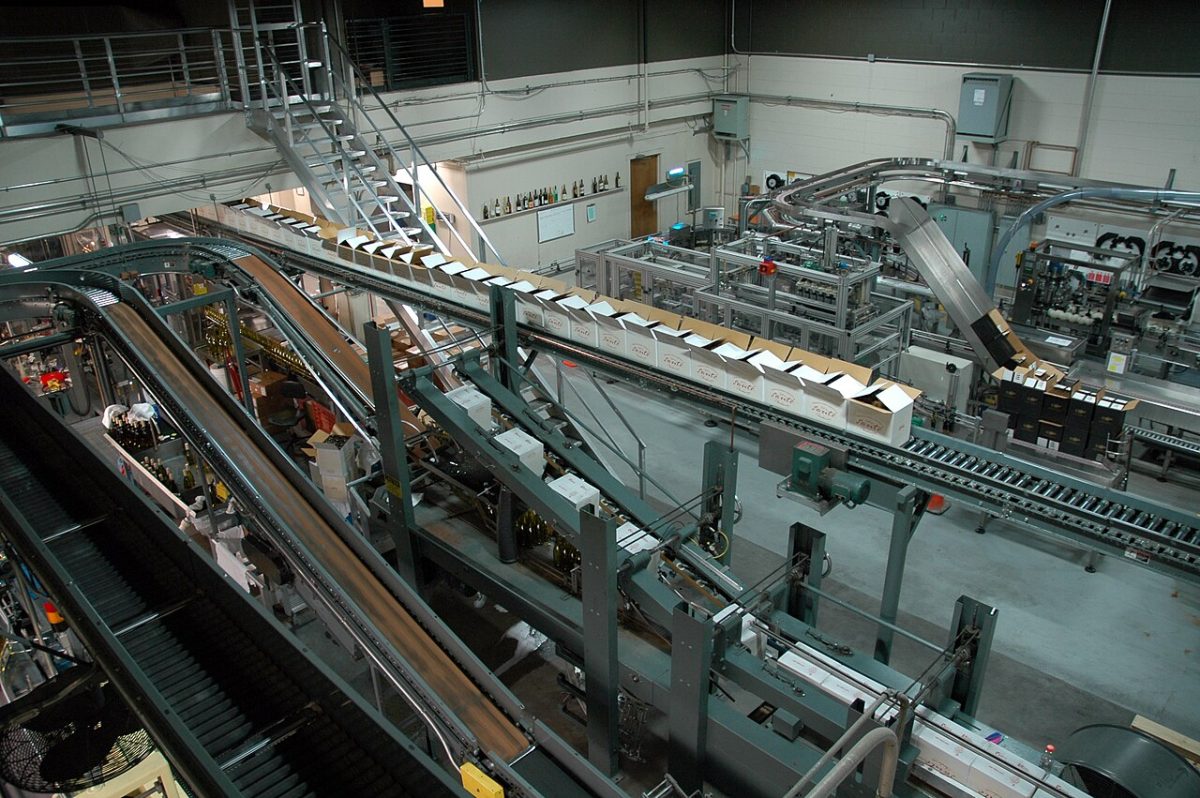
Material handling is the circulatory system of every warehouse, factory, and distribution centre — conveyors, forklifts, AGVs, hoists, and sortation gear moving product every second the lights are on. Nobody notices these machines until one stops, and then everything downstream stops with it. The parts that keep them moving aren't exotic, but they're worked relentlessly, and reliability per dollar is the entire value proposition.
Duty cycle is the real spec
The defining feature here is sheer running time. A conveyor or a busy lift runs constantly, so rollers, shafts, sprockets, bearings seats, and chain components rack up cycles fast. Wear resistance and the right hardness on rolling and sliding surfaces are what stretch the maintenance interval (heat treating steel, hardness testing). A part that lasts twice as long quietly halves the downtime — that's the math customers actually care about.
| Area | Typical parts |
|---|---|
| Conveying | Rollers, idlers, pulleys, shafts, sprockets |
| Drive | Gears, couplings, bushings, bearing housings |
| Lifting / handling | Forks, hubs, pins, structural fittings |
| Automation (AGV/AS-RS) | Precision drive and guide parts, brackets |
Smooth, true, balanced motion
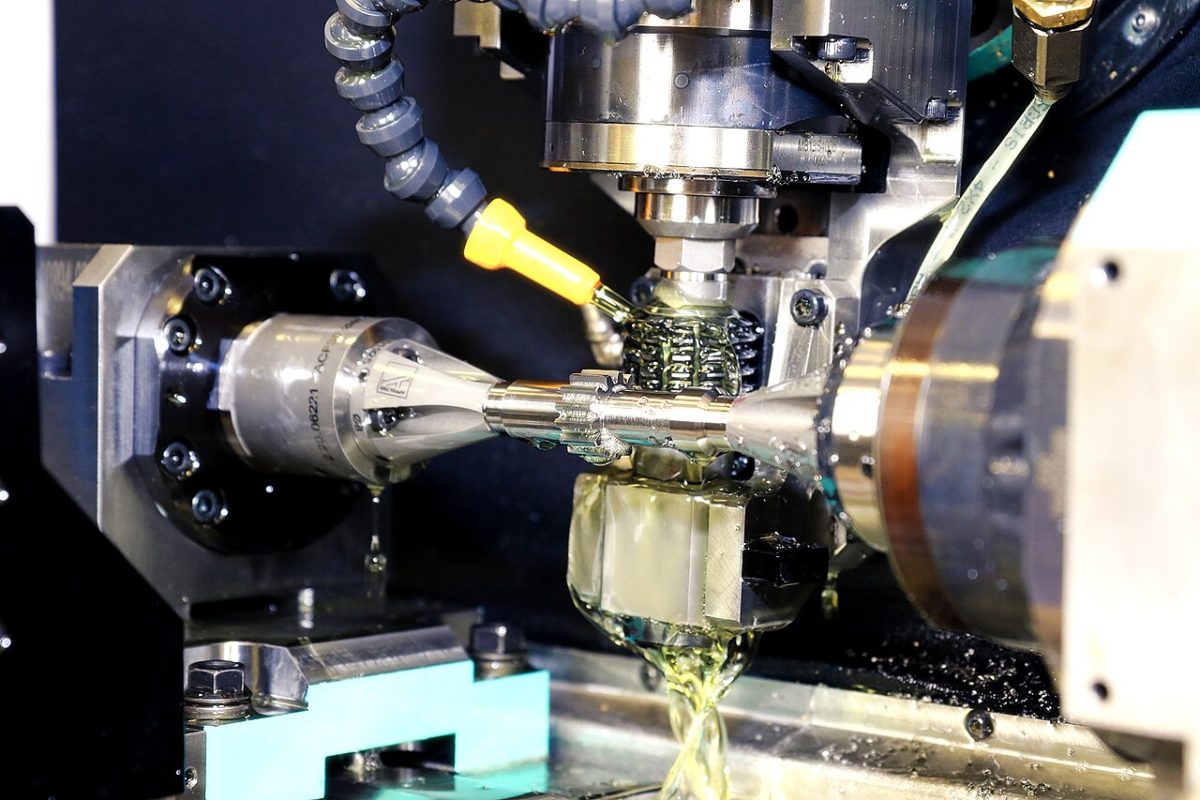
Rollers and pulleys have to run true and balanced or they vibrate, wear unevenly, and chew through bearings. Concentricity and straightness on these turned parts directly set how smoothly — and how long — the system runs (engineering fits and tolerances). Drive gears and sprockets carry the load and need controlled tooth quality (gear types).
Automation raises the bar
As warehouses go automated — AGVs, robotic shuttles, automated storage — the precision demand climbs. These move autonomously and dock to position, so their drive and guide parts need the tighter tolerances of robotics-grade machining rather than rough conveyor tolerances. It's a sector quietly shifting upmarket in precision.
Cost and consistency at volume
Material handling is volume-driven and price-sensitive — thousands of identical rollers and brackets. The economical route is casting or stamping the bulk and machining only the precise features, and relaxing tolerances that don't affect function (casting vs machining, over-tolerancing). Because parts are replaced in service, consistency across the run matters — part number 1000 has to match part number 1 (quality control standards).
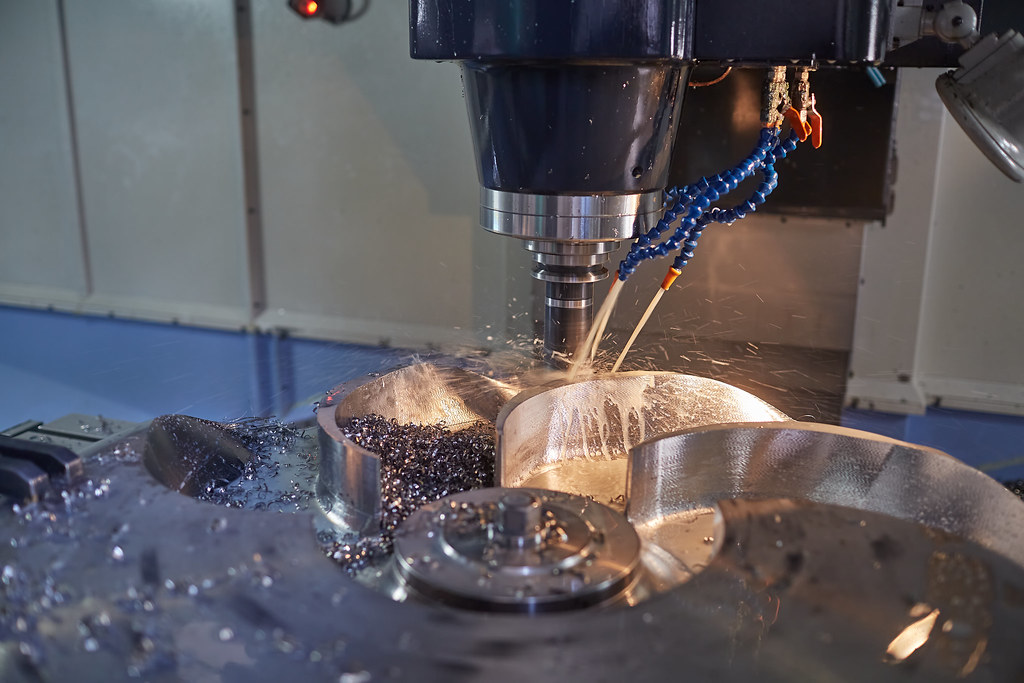
We machine material-handling parts built for endless duty — true-running rollers and pulleys, hardened sprockets and shafts, drive and structural components, and tighter-tolerance parts for automated systems — at volume-friendly cost with consistent, interchangeable quality. Send your drawings and volumes and we'll quote parts that keep the line moving.
Related capabilities
Have a part to make?
Upload your CAD for a detailed quote and free DFM feedback within 24 hours.