Industrial Automation Parts: The Machines Behind the Machines
Factory machines are held together by thousands of unglamorous machined parts. Why automation parts are judged on not failing, and the mixed-volume mix that suits them.

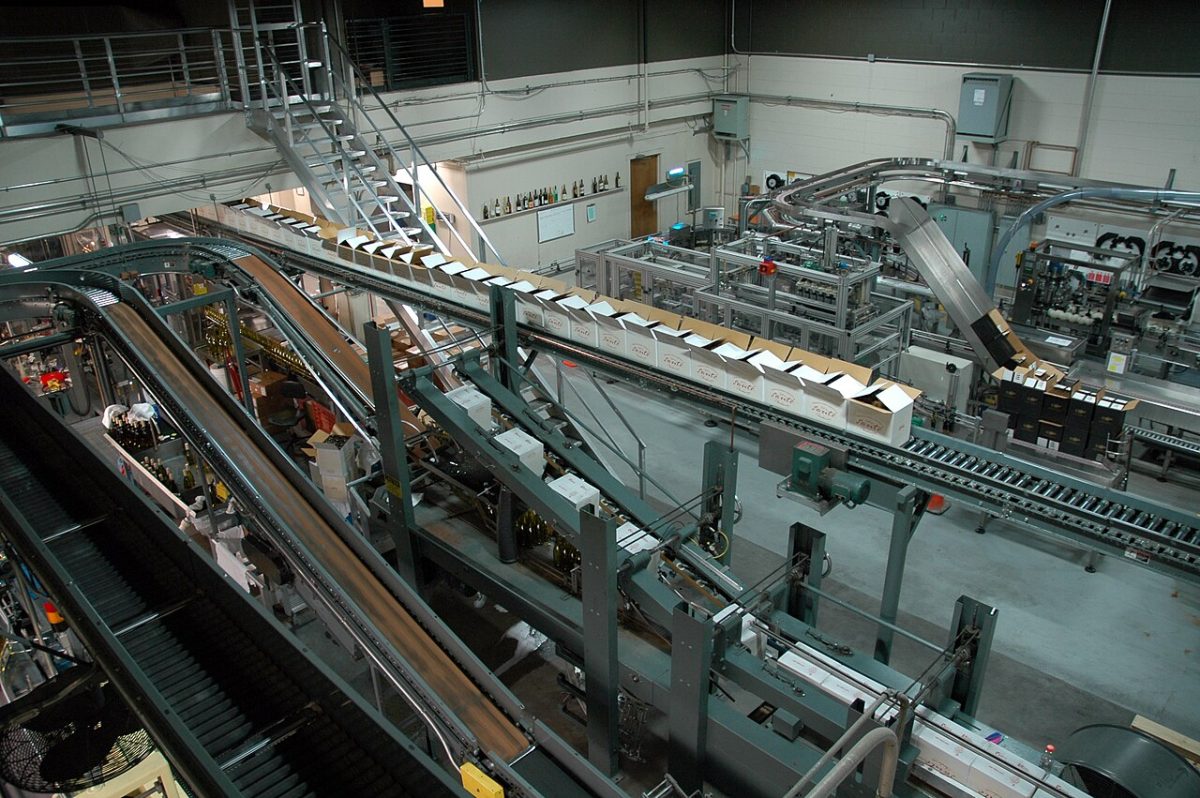
Walk any factory floor and the machines moving product around — conveyors, pick-and-place cells, packaging lines, assembly stations — are held together by thousands of unglamorous machined parts. Brackets, mounting plates, shafts, guide rails, custom fixtures. Nobody photographs them for the brochure, but when one wears out or seizes, the whole line stops, and downtime is the most expensive thing in the building.
Reliability beats elegance
Automation parts aren't judged on tight tolerances for their own sake — they're judged on not failing. A machine builder cares that a shaft runs true for years, that a guide stays straight, that a bracket doesn't fatigue and crack after a million cycles. So the priorities are sound material choice, the right heat treatment on wear parts, and finishes that survive the environment. Wear surfaces often get hardened (heat treating steel), and the right hardness is verified, not assumed (hardness testing).
The everyday parts list
- Mounting plates & brackets — the structural glue of any machine, often aluminum or steel.
- Shafts, spacers, bushings — turned parts that must run concentric and true.
- Guide rails & linear-motion parts — straightness and surface finish drive smooth motion.
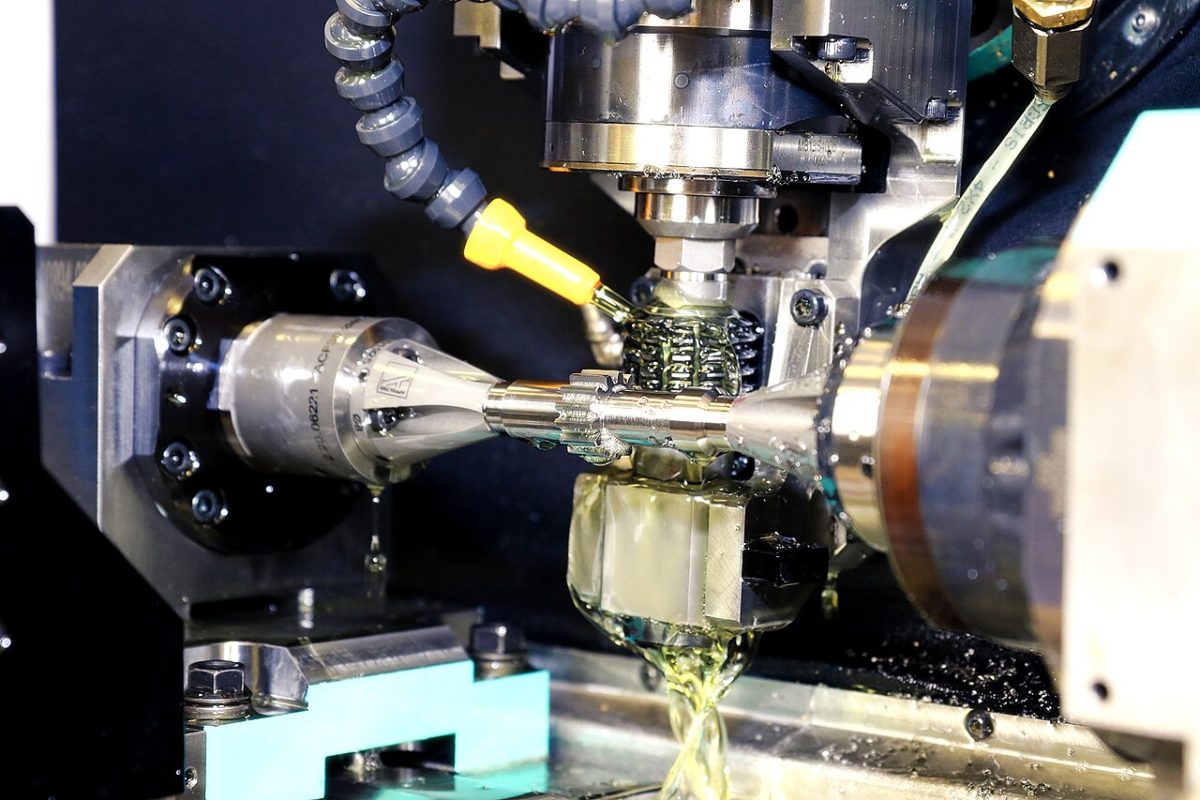
- Custom gears & couplings — power transmission with controlled backlash (gear types).
- End-of-arm tooling & fixtures — bespoke, low-volume, often urgent.
Mixed volumes, mixed processes
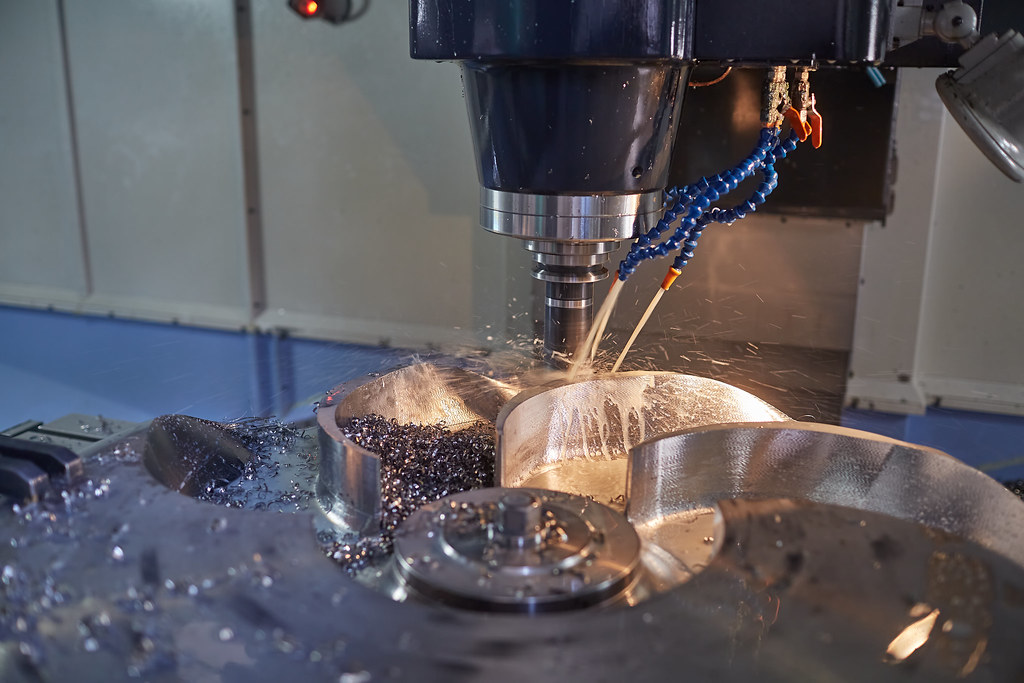
A machine builder's bill of materials is a mix: some parts are one-offs for a custom cell, others repeat across every machine they ship. That blend suits a shop comfortable doing both — quick-turn CNC for the bespoke fixture you need this week, and repeatable production runs for the brackets and shafts that go into every unit. Standard aluminum and steel grades cover most of it (machining materials guide).
The drawing-to-part loop has to be quick
In automation, an engineer often realises mid-build that a bracket needs to change. The supplier who can take a drawing, flag any manufacturability issue, and turn the part around fast is worth more than one who's slightly cheaper but slow. Clean drawings and sensible tolerances keep that loop fast — relaxing the dimensions that don't matter keeps cost down (over-tolerancing) and a quick read on the design avoids surprises (reading a CNC quote).
Finishes for the floor
Factory environments mean oil, coolant, washdown, and handling. Anodized aluminum and plated or coated steel resist corrosion and wear; black oxide and similar finishes are common on hardware. Picking the right one is a quick decision with the finish comparison.
We're set up for exactly the mix automation builders need: fast-turn machining for one-off fixtures and brackets, plus repeatable production of the shafts, plates, gears and guides that go into every machine you ship — with the heat treatment and finishes that keep them running for years. Send your drawings and we'll quote the urgent stuff fast and the production stuff sharp.
Related capabilities
Have a part to make?
Upload your CAD for a detailed quote and free DFM feedback within 24 hours.