Electric Motor Components: Where Concentricity Is King
A motor looks like a commodity but lives on a tiny, even air gap. Why shafts, bearing bores and end bells decide whether it runs cool, quiet and long.

An electric motor looks simple from outside — a shaft comes out, it spins. Inside, its performance and lifespan come down to a handful of machined parts holding the rotor perfectly concentric inside the stator, with an air gap measured in fractions of a millimetre. Get those parts slightly wrong and the motor runs hot, loud, inefficient, and short-lived. Motor manufacturing is precision hiding inside something that looks like a commodity.
Concentricity is everything
The gap between rotor and stator has to be tiny and even all the way around. If the shaft isn't concentric, or the housing bores that locate the bearings aren't true to each other, the rotor runs off-centre — the air gap varies, efficiency drops, and you get vibration and noise. So the shaft, the bearing bores, and the end-bell registers are machined to tight concentricity and verified (engineering fits and tolerances, CMM inspection). This is the single biggest quality lever in a motor.
The core parts
| Part | What's critical |
|---|---|
| Shafts | Concentricity, straightness, bearing-seat fit, hardness |
| Housings & end bells | Bore concentricity, square faces, sealing |
| Rotor & bearing seats | True fits so the rotor runs centred |
| Mounting flanges | Pilot diameters and faces for clean mounting |
Shafts take real load
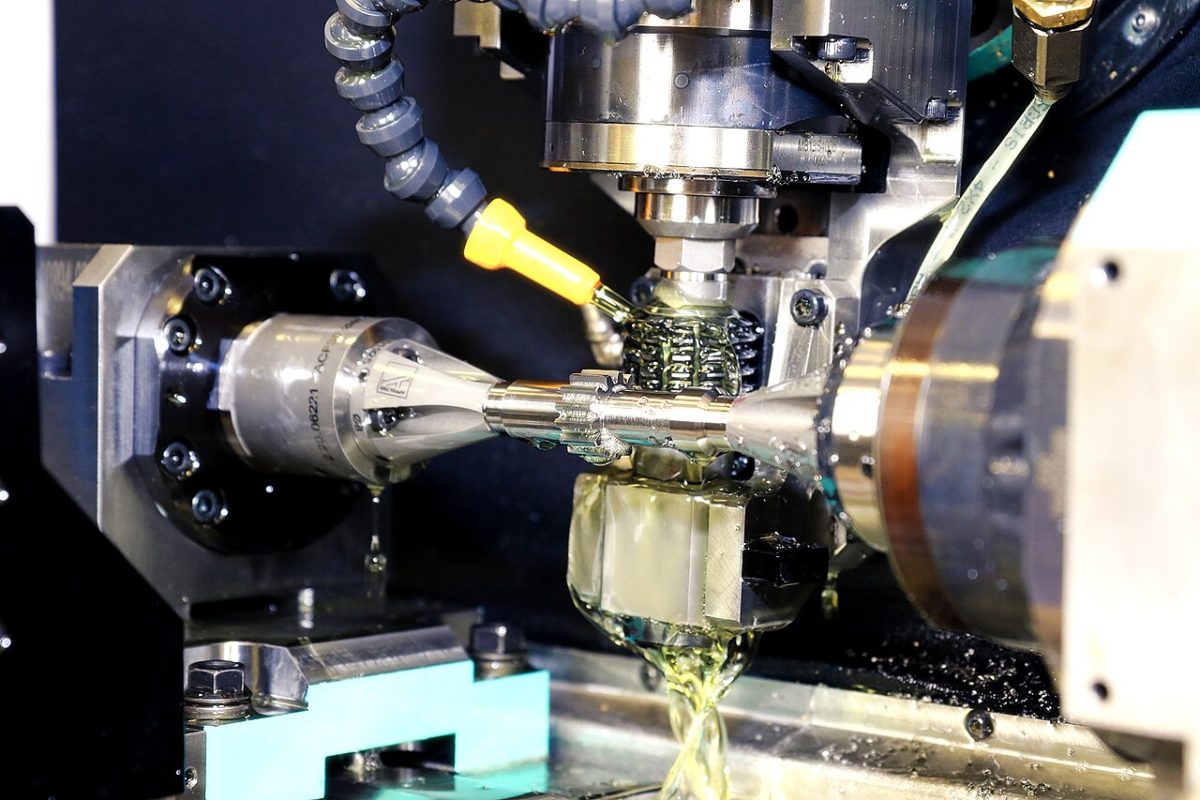
The output shaft transmits torque and rides in bearings, so it needs strength, straightness, and a hardened, well-finished bearing seat to resist wear. That usually means a turned-and-ground shaft, heat-treated for hardness where the bearings sit (heat treating steel) with a keyway or spline cut for the load (power-transmission features).
Heat and the elements
Motors make heat, and many run outdoors or in harsh plants, so housings are often aluminum for thermal dissipation and weight, with finishes for corrosion resistance — anodizing on aluminum, coatings on steel. Sealed motors need their end-bell joints and shaft seals to actually seal (O-ring groove design), and mixed-metal assemblies want a galvanic corrosion check.
Volume and the right process
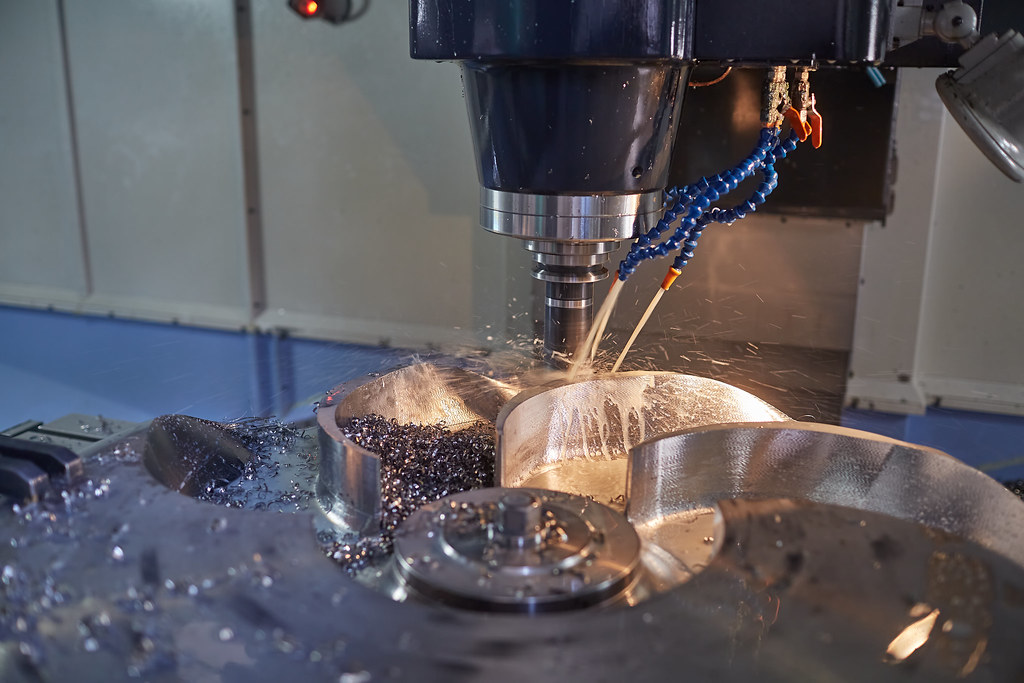
Motors span the full volume range, from a few custom units to mass production. Housings at volume are typically die cast and then machined on the bearing bores and faces — the cast-and-machine hybrid that keeps cost sane while putting precision exactly where the rotor has to run true (casting vs machining). Consistency across the run is what keeps every motor performing alike (quality control standards).
We machine electric-motor parts where concentricity decides everything — shafts, housings, end bells and bearing seats — turned and ground true, hardened where bearings ride, finished for the environment, and CMM-verified. Whether it's a custom motor or a production housing, send your drawings and volume and we'll machine it to run cool, quiet, and true.
Related capabilities
Have a part to make?
Upload your CAD for a detailed quote and free DFM feedback within 24 hours.