Machining Brass & Copper: Alloys, Speeds and When to Use Them
Brass vs copper for machined parts - why brass is the free-machining benchmark and copper is gummy, the common alloys (C360, C101, beryllium copper, bronze), and how to choose between them.

Brass and copper occupy a special place in machining. Brass is one of the easiest metals to cut — it practically machines itself — while copper, despite being soft, is one of the more awkward. They look similar and are often grouped together, but they behave very differently on the machine and serve different jobs: copper for conducting heat and electricity, brass for free-machining precision parts that also resist corrosion. This guide covers the common alloys, how each machines, and where to use them.
Two Metals, Different Strengths
Copper is prized for the highest electrical and thermal conductivity of any common engineering metal, plus excellent corrosion resistance — which is why it dominates electrical contacts, busbars, heat sinks and connectors. Brass is an alloy of copper and zinc; adding zinc trades a little conductivity for much better machinability, strength and a lower cost, giving a metal that cuts beautifully and resists corrosion — ideal for fittings, valves, fasteners and precision turned parts.
How They Machine
| Free-machining brass | Copper | |
|---|---|---|
| Machinability | Excellent — the benchmark | Poor — gummy, tends to smear |
| Chip behaviour | Short, clean chips break easily | Long, stringy, ductile chips |
| Tool wear | Very low | Moderate; needs sharp tooling |
| Best for | High-volume precision turned parts | Electrical/thermal parts where conductivity rules |
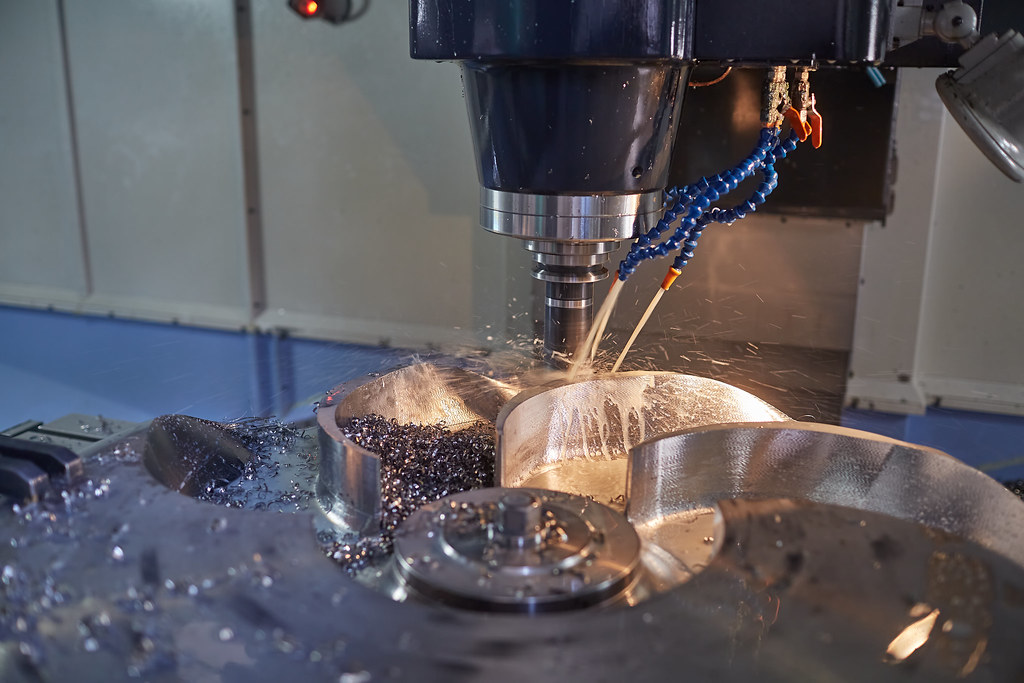
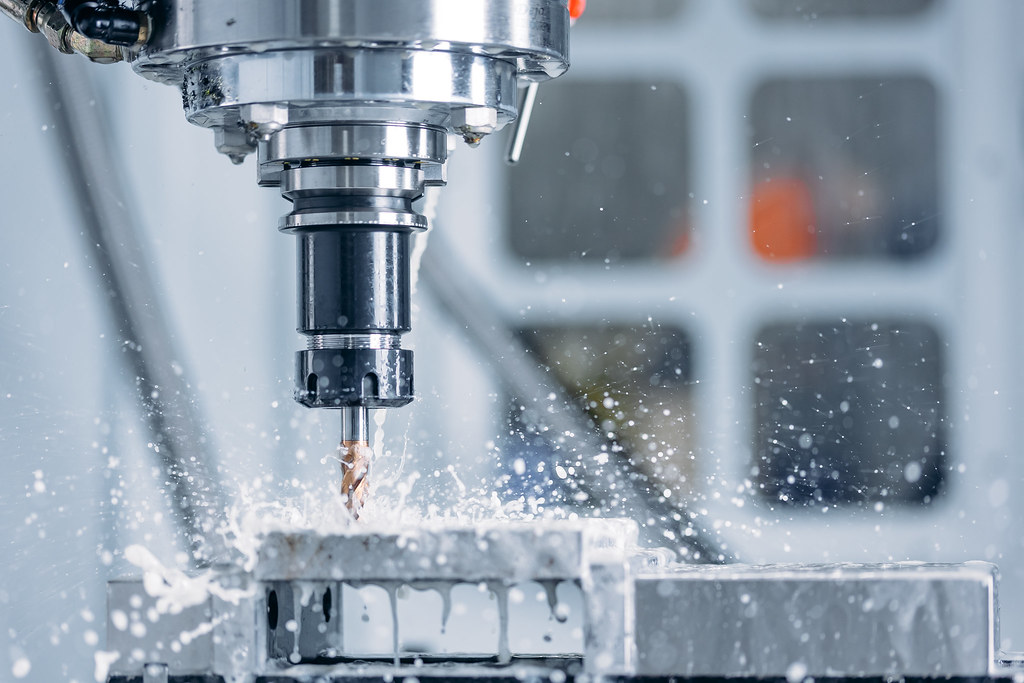
Free-machining brass (the leaded C360-type alloys) is the gold standard of machinability — chips break into small pieces, cutting forces are low, tools last a long time and surface finish is excellent straight off the tool. Copper is the opposite: it is soft and ductile, so it smears and produces long stringy chips that wrap around tooling, and it needs sharp tools, the right geometry and good chip control to machine cleanly. When a part must conduct, copper’s machining difficulty is simply the price of its conductivity.
Common Alloys
- Free-machining brass (C360 and similar) — the default for machined brass parts: superb machinability, good strength, corrosion resistance.
- Naval / marine brass — added corrosion resistance for marine hardware.
- Pure / oxygen-free copper (C101/C110) — maximum electrical and thermal conductivity for busbars, contacts and heat sinks.
- Beryllium copper — a high-strength, hardenable copper alloy for springs, connectors and non-sparking tools.
- Bronze (copper–tin) — wear- and corrosion-resistant, common for bushings and bearings.
Choosing Between Them
- Need conductivity? Choose copper (or a high-copper alloy) — nothing else matches it for current and heat.
- Need a precision machined part at volume? Free-machining brass gives the best finish, fastest cycle times and lowest tool cost.
- Need strength or spring with conductivity? Beryllium copper bridges the gap.
- Need wear resistance? Bronze for bushings and bearings.
- Watch the finish. Both polish well and can be plated; brass is often left bare or clear-coated, copper plated to stop tarnish — see our finishing comparison.
The Bottom Line
Brass and copper are not interchangeable. Reach for copper when the part’s job is to carry current or heat and accept that it machines slowly; reach for free-machining brass when you want a corrosion-resistant precision part that cuts fast, finishes cleanly and costs less to make. Match the specific alloy — C360 brass, C101 copper, beryllium copper, bronze — to whether you are optimising for conductivity, machinability, strength or wear, and the part will perform and price the way it should.
MechPart Pro machines brass, copper and bronze parts — from high-volume free-machining brass turned components to oxygen-free copper conductors — with the tooling and chip control each demands. Share your drawing and our engineers will recommend the alloy and finish as part of our free design-for-manufacturability review. Compare it with other metals on our brass & copper page and in the wider materials guide.
Related capabilities
Have a part to make?
Upload your CAD for a detailed quote and free DFM feedback within 24 hours.